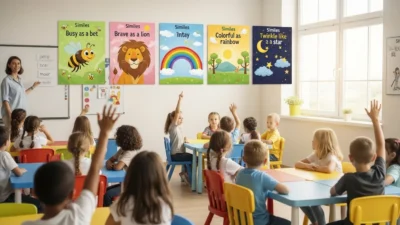
When you read a story, poem, or article, certain sentences can suddenly make a picture appear in your mind. This often happens because the writer uses similes. Similes are powerful tools in writing that help readers understand ideas more clearly and imagine scenes more vividly.
A simile is a figure of speech that compares two different things using the words “like” or “as.” For example, instead of saying the night was dark, a writer might say “the night was as dark as ink.” This comparison helps the reader visualize just how dark the night was.
Similes are commonly used in creative writing, poetry, storytelling, and even everyday language. They help writers explain emotions, actions, and descriptions in a way that feels more relatable and engaging.
But why are similes so effective? What exactly do they do for the reader?
In this article, we will explore how similes affect readers, why writers use them, and how they improve writing. You will also see examples that show how similes make descriptions clearer and more memorable.
What Is a Simile?
Before understanding what similes do for readers, it is important to know what a simile is.
A simile compares two things that are different but share a similar quality. The comparison usually uses the words like or as.
Examples of Similes
- The baby slept like a log.
- Her smile was as bright as the sun.
- The runner moved like the wind.
In simple terms, similes help readers picture something by comparing it to something familiar.
1. Similes Help Readers Visualize Ideas
One of the most important things similes do is create clear images in the reader’s mind.
When writers use similes, they give readers a comparison they already understand. This makes it easier for the reader to imagine the scene.
Example
Without simile:
- The stars were bright.
With simile:
- The stars shone like diamonds in the sky.
The second sentence helps the reader picture the stars sparkling like shiny gems.
2. Similes Make Writing More Interesting
Plain descriptions can sometimes feel boring. Similes add creativity and color to writing.
Example
Plain sentence:
- The wind was strong.
With simile:
- The wind roared like a wild animal.
The simile makes the sentence more dramatic and engaging for the reader.
3. Similes Help Readers Understand Emotions
Similes are often used to describe feelings and emotions. They help readers understand how someone feels by comparing emotions to familiar experiences.
Example
- My heart raced like a drum during the race.
- She felt as happy as a child on a holiday.
These comparisons help readers feel the emotion more clearly.
4. Similes Make Ideas Easier to Understand
Sometimes writers need to explain complicated ideas. Similes make these ideas easier by comparing them to something simple.
Example
- Learning a new skill is like climbing a mountain.
This simile shows that learning takes effort and patience.
5. Similes Help Readers Remember Information
Because similes create strong images, they make writing more memorable.
Readers are more likely to remember a creative comparison than a plain description.
Example
- The classroom was as quiet as a library.
This comparison sticks in the reader’s mind because it creates a clear picture.
6. Similes Add Emotion and Mood
Similes help create atmosphere in writing. They can make a scene feel peaceful, scary, exciting, or sad.
Examples
- The forest was as silent as a graveyard.
- The children laughed like ringing bells.
- The storm arrived like an angry giant.
Each simile creates a different emotional feeling for the reader.
7. Similes Make Characters and Scenes More Real
Similes help writers describe characters, places, and events in ways that feel real and relatable.
Example
- The old house stood like a tired giant on the hill.
This simile helps the reader imagine the house clearly.
Examples of Similes in Everyday Language
Similes are not only used in books. People use them in daily conversations as well.
Common examples include:
- As busy as a bee
- As quiet as a mouse
- As strong as an ox
- As light as a feather
- Like a fish in water
These phrases help people describe things quickly and clearly.
Tips for Using Similes in Writing
If you want to use similes effectively, keep these tips in mind:
1. Compare familiar things
Choose comparisons that readers can easily imagine.
2. Keep similes simple
Short and clear similes work best.
3. Use them in important moments
Similes are most effective when used to highlight key descriptions.
4. Avoid overusing them
Too many similes can make writing confusing.
Practice Exercise
Identify the simile in each sentence.
- The snow sparkled like diamonds.
- The baby slept like a log.
- Her voice was as soft as silk.
- The crowd roared like thunder.
- The sky looked as blue as the ocean.
Answers
- like diamonds
- like a log
- as soft as silk
- like thunder
- as blue as the ocean
Conclusion
Similes are powerful tools that help writers communicate ideas clearly and creatively. They allow readers to visualize scenes, understand emotions, and connect with the writing more easily. By comparing unfamiliar ideas to familiar things, similes make descriptions more vivid and memorable.
Whether used in stories, poems, essays, or everyday conversation, similes make language more colorful and expressive. When writers use similes effectively, they help readers see, feel, and experience the message in a deeper way.
Learning to recognize and create similes can greatly improve your creative writing and descriptive skills.

William Cooper is a U.S.-based content writer at Aslikee who focuses on creating clear, informative, and user-friendly content. He is committed to delivering information that is accurate, practical, and easy for readers to understand.
He believes that strong content comes from careful research and attention to detail. William takes time to ensure that each article meets quality standards and provides real value to users.
At Aslikee, William contributes to maintaining editorial consistency and improving content quality. His goal is to support readers with reliable information and help build long-term trust in the platform.