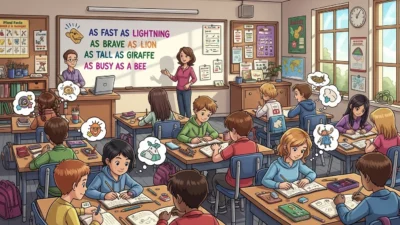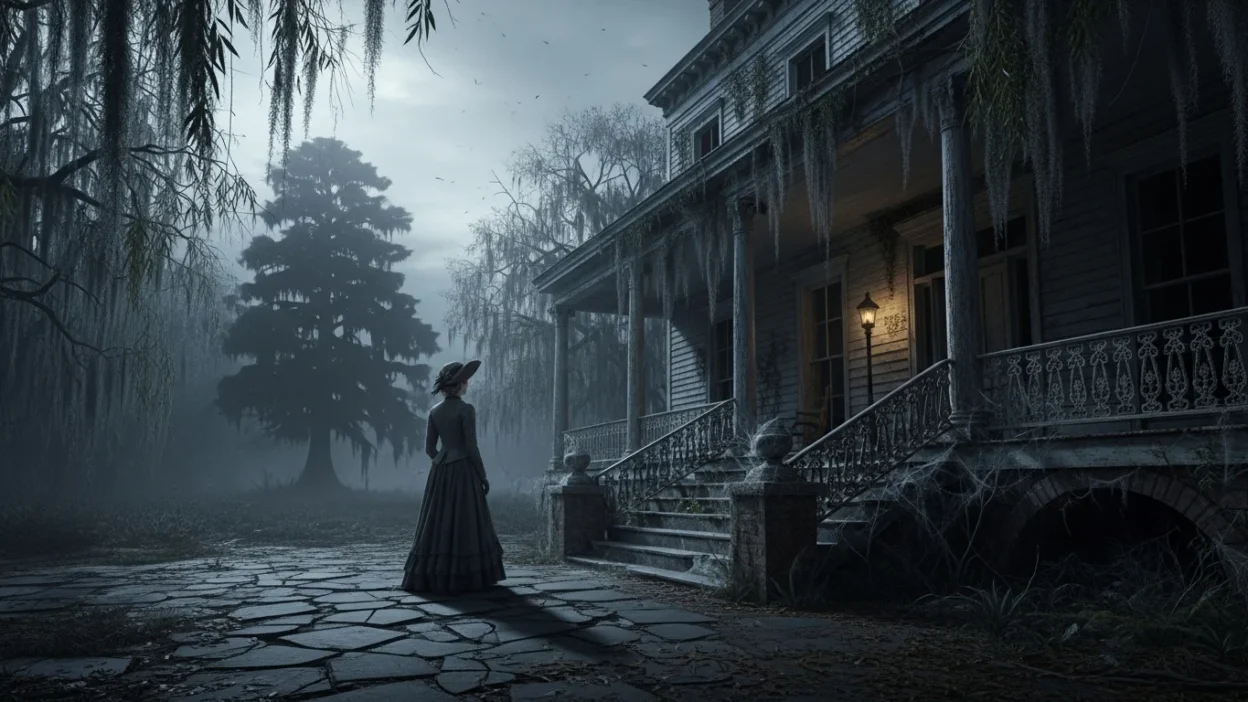
A Rose for Emily by William Faulkner is a famous short story filled with rich descriptions and figurative language. One of the key literary devices used is the simile, which helps create strong imagery and mood.
👉 A simile compares two things using “like” or “as.”
📚 Why Faulkner Uses Similes
Similes in the story help to:
- Create a dark and mysterious mood
- Describe characters and settings vividly
- Show the passage of time and decay
- Make scenes more emotional and memorable
🔍 Key Similes in A Rose for Emily
Here are some important similes (with simple explanations):
1. “Like a fallen monument”
📖 Miss Emily is described as “a fallen monument.”
👉 Meaning:
This suggests she was once important and respected, but now she is old, isolated, and declining.
2. “Like a body long submerged in motionless water”
📖 Used to describe Miss Emily’s appearance.
👉 Meaning:
This creates a haunting image, suggesting stillness, decay, and something unnatural.
3. “As if that quality of her father… had thwarted her woman’s life so many times”
👉 While not a direct simile with “like/as,” it shows comparison in tone and effect.
4. “Like two small pieces of coal pressed into a lump of dough”
📖 Describes Miss Emily’s eyes.
👉 Meaning:
This simile creates a strange and unsettling image, showing her lifeless and emotionless expression.
5. “Like a tableau”
📖 Used when describing a scene with Miss Emily and her father.
👉 Meaning:
It suggests a frozen, picture-like moment—still and unmoving.
📝 Example Analysis Paragraph
In A Rose for Emily, William Faulkner uses similes to create vivid and sometimes disturbing imagery. For example, describing Miss Emily as “like a fallen monument” shows her decline from greatness. Similarly, her eyes are compared to “pieces of coal,” emphasizing her lifeless and eerie presence. These similes help build the dark and mysterious tone of the story.
✍️ Tips for Writing About Similes in the Story
- Always quote the simile correctly
- Explain what it compares
- Describe its effect on the reader
- Connect it to theme or mood
- Keep your explanation simple and clear
🏁 Conclusion
Similes in A Rose for Emily play a powerful role in shaping the story’s mood and imagery. They help readers understand Miss Emily’s character and the eerie atmosphere of the town.

Robert Parker is a U.S.-based author at Aslikee who is dedicated to producing accurate and trustworthy content for readers. He focuses on presenting information in a clear and organized way, making complex topics easier to understand.
He values thorough research and careful fact-checking to ensure every piece of content meets high quality standards. Robert believes that consistency and reliability are essential for building long-term reader trust.
At Aslikee, Robert plays an important role in supporting editorial quality and content improvement. His goal is to help users access useful, well-structured information that adds real value to their experience.